Leak detection is an essential process in various industries, ranging from construction and manufacturing to environmental management and residential maintenance. This practice involves identifying, locating, and assessing leaks in systems that transport fluids, gases, or other materials. Early detection plays a critical role in preventing significant damage, conserving resources, and ensuring safety, making it a vital component for infrastructure integrity and environmental protection.
As technology continues to evolve, innovative methods for leak detection are becoming more sophisticated and efficient. Traditional techniques, such as visual inspections and pressure testing, are being complemented by advanced solutions like acoustic sensors, thermal imaging, and smart monitoring systems. This article explores the various leak detection techniques, their applications, and the benefits they provide to organizations and individuals alike in the ongoing effort to mitigate losses and uphold safety standards.
Advanced Leak Detection Techniques
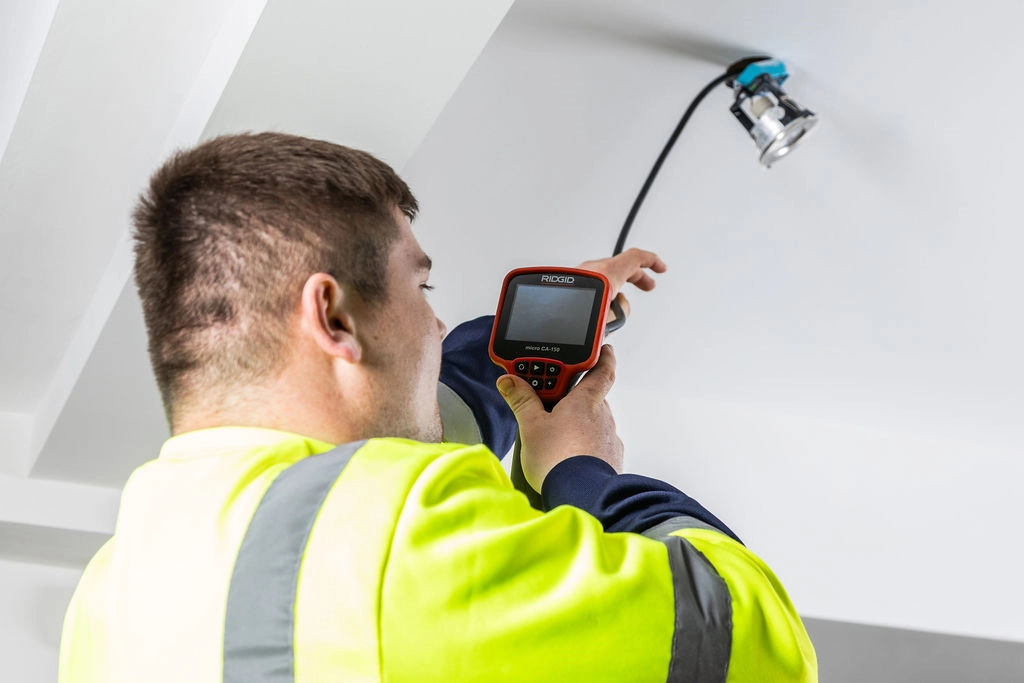
Modern leak detection methods are designed to enhance sensitivity and accuracy in identifying potential leaks. Acoustic sensors, for instance, use ultrasonic waves to detect the sound of gas or liquid escaping from a system, allowing for precise localization of leaks without invasive measures. Thermal imaging, on the other hand, identifies differences in temperature that may indicate fluid presence, thus revealing leaks effectively in various environments. Organizations looking to adopt these technologies can find reliable resources by searching for leak detection near me, which can connect them with local experts in this field.
Applications Across Industries
The applications of leak detection span multiple industries, each benefitting from tailored techniques to address specific challenges. In construction, ensuring that water lines and pipelines are leak-free before project completion can save considerable time and money while enhancing safety. In environmental management, early detection of leaks from tanks or pipelines can prevent hazardous substances from contaminating the surrounding area, thus protecting ecosystems. Additionally, residential maintenance relies on effective leak detection to conserve water and minimize utility costs, showcasing how critical this practice is for both personal and societal well-being.
In conclusion, effective leak detection is a cornerstone of operational efficiency and safety across numerous industries. The integration of advanced technologies not only enhances the accuracy and speed with which leaks can be identified but also significantly reduces the potential for costly damages and environmental hazards. As organizations continue to embrace innovative detection methods, the cumulative benefits extend beyond immediate operational savings to foster a culture of proactive maintenance and sustainable practices. Ultimately, prioritizing leak detection helps safeguard assets, protect the environment, and ensure the safety and well-being of communities, underscoring its vital importance in today’s complex infrastructure landscape.